
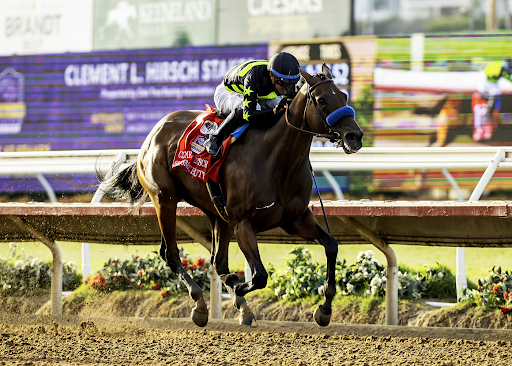
Horse breeding has played an important role in developing competitive equestrian sports across the world. In India, several institutions have contributed to improving the quality of thoroughbred horses through scientific breeding practices, expert care, and generations of experience. Among these respected establishments, Poonawalla Stud Farm holds a significant place due to its long history and contribution to Indian horse racing. Established in 1946, the farm began with a small number of horses and gradually developed into one of India’s leading thoroughbred breeding centres.
Understanding the journey of Poonawalla Stud Farm provides valuable insight into how careful breeding, genetics, nutrition, and professional management influence the development of racehorses. The farm’s legacy reflects the importance of maintaining strong bloodlines and adopting modern methods while preserving traditional knowledge.
History and Foundation of Poonawalla Stud Farm
The history of Poonawalla Stud Farm began when Soli A. Poonawalla established the Poona Stud Farm in 1946 with a small collection of mares and a stallion. The objective was to develop quality thoroughbred horses and contribute to the growth of horse breeding in India. Over the decades, the establishment expanded its operations and became recognized for producing successful racehorses.
The farm’s development represents the evolution of Indian thoroughbred breeding. From selecting suitable bloodlines to maintaining proper care standards, every aspect of breeding requires detailed planning and expertise. The success of a stud farm depends on various factors, including genetics, veterinary support, training environments, and long-term breeding strategies.
Importance of Thoroughbred Breeding
Thoroughbred breeding is a specialized field that focuses on producing horses with desirable qualities such as speed, endurance, athletic ability, and competitive strength. Breeders carefully study pedigrees and characteristics of horses before making breeding decisions.
A successful breeding programme involves more than selecting fast horses. Factors such as physical structure, temperament, health history, and inherited traits are also considered. Proper nutrition, regular veterinary monitoring, and suitable living conditions contribute to the overall development of young horses.
Poonawalla Stud Farm has contributed to this process by maintaining breeding practices focused on developing high-quality thoroughbreds. The farm has produced horses that have achieved recognition in major racing competitions, highlighting the importance of professional breeding methods.
Role of Training and Horse Care
Breeding is only one part of developing a successful racehorse. Young horses require proper training, exercise routines, and care to reach their full potential. Professional trainers work closely with horses to improve their physical abilities while ensuring their health and safety.
Stud farms usually provide controlled environments where horses can grow naturally. Open spaces, balanced diets, medical supervision, and regular observation help maintain the well-being of horses during different stages of development.
The approach followed by Poonawalla Stud Farm demonstrates how breeding and care work together. A strong foundation during the early stages of a horse’s life can influence future performance and overall quality.
Contribution to Indian Horse Racing
Indian horse racing has developed significantly over the years, supported by organizations, breeders, trainers, and racing professionals. Stud farms have played an essential role by supplying well-bred horses and improving the overall standard of competition.
The achievements associated with Poonawalla Stud Farm highlight the impact that dedicated breeding programmes can have on the racing industry. The farm has received recognition for its contribution to producing successful thoroughbreds and supporting the growth of Indian racing.
Beyond competitive events, stud farms also help preserve knowledge about horse genetics, breeding techniques, and animal management. Their work supports the wider equestrian community by maintaining expertise that has been developed over generations.
Understanding Horse Racing Information
Horse racing attracts interest from people who want to learn more about horse performance, breeding backgrounds, and racing history. However, understanding the sport requires focusing on factors such as training methods, horse condition, track conditions, and past performances rather than relying on assumptions.
Educational resources about horse racing help enthusiasts appreciate the skill and preparation involved behind every competition. Learning about breeding farms, trainers, and horse development provides a deeper understanding of the sport.
Future of Thoroughbred Breeding in India
The future of horse breeding in India depends on continued improvements in technology, veterinary science, and responsible animal care practices. Modern breeding techniques, better healthcare facilities, and improved knowledge sharing can further strengthen the industry.
Institutions like Poonawalla Stud Farm demonstrate how heritage and innovation can work together. By maintaining breeding standards and adapting to changing requirements, such establishments continue to influence the development of Indian thoroughbred horses.
Conclusion
The story of Poonawalla Stud Farm reflects decades of dedication, expertise, and commitment to horse breeding in India. From its beginning in 1946 to becoming a recognized name in thoroughbred development, the farm represents the importance of patience, scientific practices, and proper horse care. For those interested in understanding racing culture, learning about breeding history provides more value than simply following Mumbai Horse Race tips. A deeper knowledge of horse development, training, and genetics helps create a better appreciation of this historic sport.
