
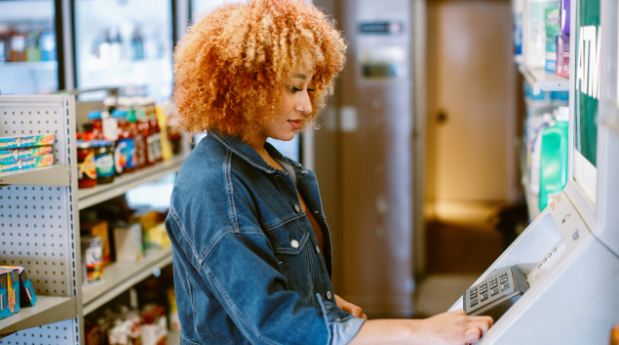
In today’s competitive retail environment, businesses are constantly looking for ways to improve customer convenience while creating additional revenue opportunities. Although digital payments have become increasingly popular, cash continues to play a vital role in many retail transactions. Providing customers with easy access to cash can improve their shopping experience and encourage them to complete purchases without leaving the store.
Installing an ATM for retailers is one practical way to meet customer needs while supporting business growth. Retail ATMs not only offer convenient cash access but can also help increase foot traffic, encourage impulse purchases, and generate additional transaction-based income. Before investing in an ATM, retailers should understand the available options, operational requirements, and factors that contribute to long-term success.
Why Retail Businesses Choose to Install ATMs
Retailers across various industries continue to install ATMs because they provide value for both businesses and customers. Easy access to cash helps eliminate purchasing barriers while making stores more convenient destinations.
Some key benefits include:
- Improved customer convenience
- Increased store traffic
- Additional transaction fee income
- Higher customer satisfaction
- Greater opportunity for impulse purchases
- Reduced dependence on card-only payments
Many customers who visit a store to withdraw cash often make purchases during the same visit, benefiting both the shopper and the retailer.
Types of ATMs Suitable for Retail Stores
Choosing the right ATM for retailers depends on store size, customer traffic, and available space.
Free-Standing ATMs
These are the most commonly installed machines in convenience stores, supermarkets, restaurants, and shopping centers. They are easy to access and suitable for high-traffic locations.
Wall-Mounted ATMs
Wall-mounted units are ideal for businesses with limited floor space while still offering convenient customer access.
Through-the-Wall ATMs
These machines allow customers to access cash from outside the building, making them suitable for businesses operating beyond standard shopping hours.
Self-Fill ATMs
Self-fill ATMs enable retailers to replenish machines using available cash from daily business operations, helping improve cash management efficiency.
Benefits of Installing an ATM for Retailers
Enhanced Customer Experience
Customers appreciate having immediate access to cash without needing to visit another location. This convenience often contributes to repeat business.
Increased Foot Traffic
An ATM for retailers can attract visitors specifically seeking cash services. Some of these visitors may also purchase products while in the store.
Additional Revenue Opportunities
Retailers may generate income through ATM transaction fees, depending on the ownership and operating model selected.
Reduced Lost Sales
Customers who need cash can complete purchases immediately instead of leaving the store to find another ATM.
Important Features to Consider
Before selecting an ATM, retailers should evaluate several important features.
Security
Modern ATMs include encrypted PIN pads, EMV compatibility, secure locking mechanisms, and anti-skimming technology to protect customer transactions.
Transaction Capacity
Businesses with high customer traffic should choose machines capable of handling frequent daily transactions.
Cash Storage
The machine should provide adequate cash storage based on expected withdrawal volumes.
Remote Monitoring
Many modern ATMs offer remote diagnostics and transaction monitoring, helping reduce downtime and simplify maintenance.
User-Friendly Interface
Simple touchscreen displays and clear instructions improve the customer experience while reducing operational issues.
Factors to Consider Before Purchasing
Retailers should evaluate several practical considerations before making an investment.
Store Location
Locations with high pedestrian traffic generally experience higher ATM usage.
Customer Demographics
Understanding customer payment preferences helps determine whether an ATM is likely to receive consistent use.
Installation Requirements
Retailers should ensure adequate electrical connections, internet access, floor space, and security measures are available.
Ongoing Maintenance
Routine servicing, software updates, cash replenishment, and security inspections are necessary to keep ATMs operating efficiently.
Industries That Benefit Most from Retail ATMs
ATMs can provide value across a wide range of retail sectors.
Examples include:
- Convenience stores
- Grocery stores
- Restaurants
- Hotels
- Gas stations
- Shopping centers
- Entertainment venues
- Specialty retail stores
Businesses operating in cash-friendly environments often experience greater ATM transaction volumes.
Common Mistakes to Avoid
Retailers should avoid several common mistakes when installing an ATM.
These include:
- Selecting a poor location within the store
- Ignoring customer traffic patterns
- Underestimating maintenance requirements
- Choosing equipment without modern security features
- Failing to monitor transaction performance
- Overlooking regulatory compliance
Careful planning can improve long-term profitability while minimizing operational challenges.
Future Trends in Retail ATM Technology
ATM technology continues to evolve with enhanced security, contactless functionality, cloud-based monitoring, and smarter cash management systems. Many modern machines also support remote diagnostics, improved accessibility features, and energy-efficient operation. As customer expectations continue to change, retailers adopting newer ATM technologies can improve operational efficiency while offering greater convenience to their customers.
Conclusion
Retail businesses continue to seek practical ways to improve customer service while creating additional revenue opportunities. Installing the right ATM can support both objectives by providing convenient cash access, encouraging customer spending, and increasing store visits. Businesses evaluating ATM cash machines for sale should carefully compare available options, assess operational needs, and choose a solution that aligns with their long-term business goals while delivering a better customer experience. Selecting equipment based on location, transaction volume, security features, and maintenance requirements helps maximize long-term value.
