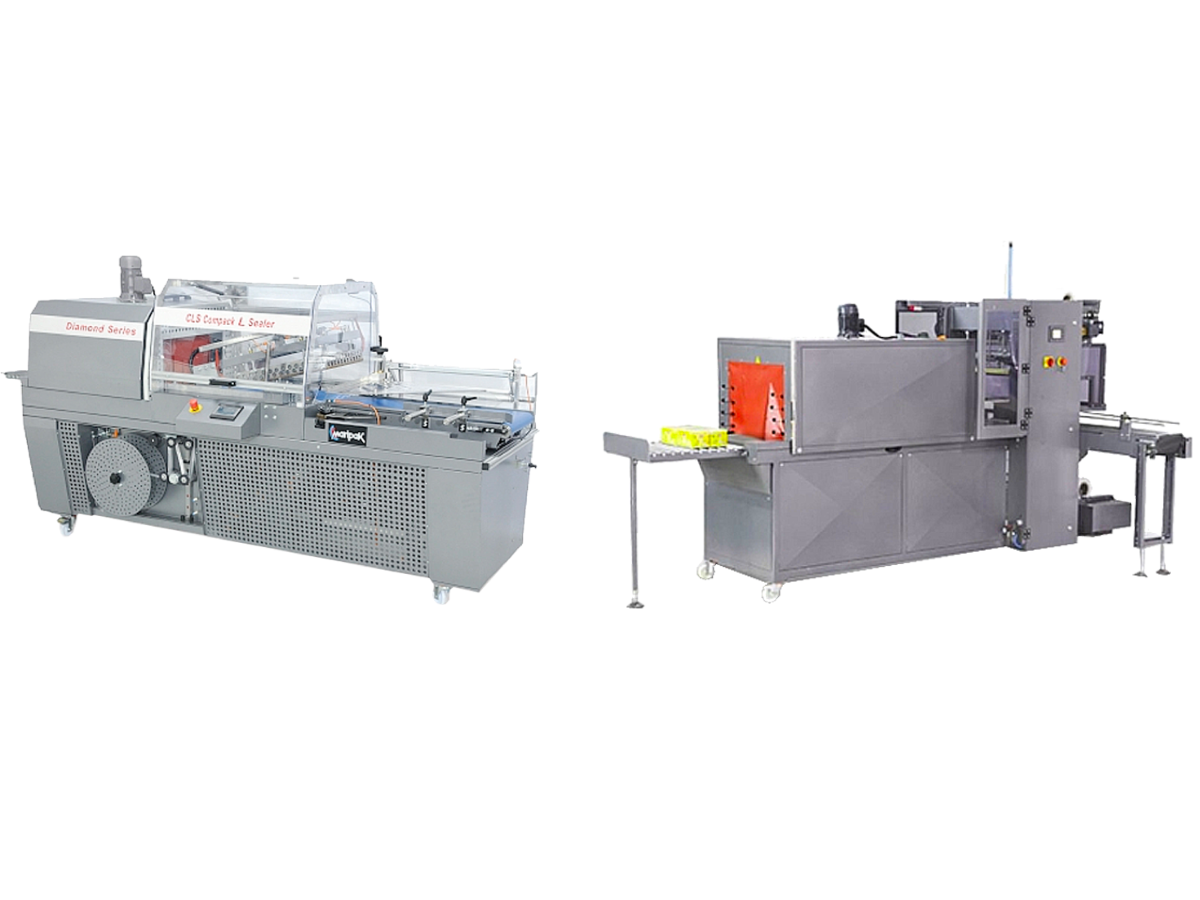
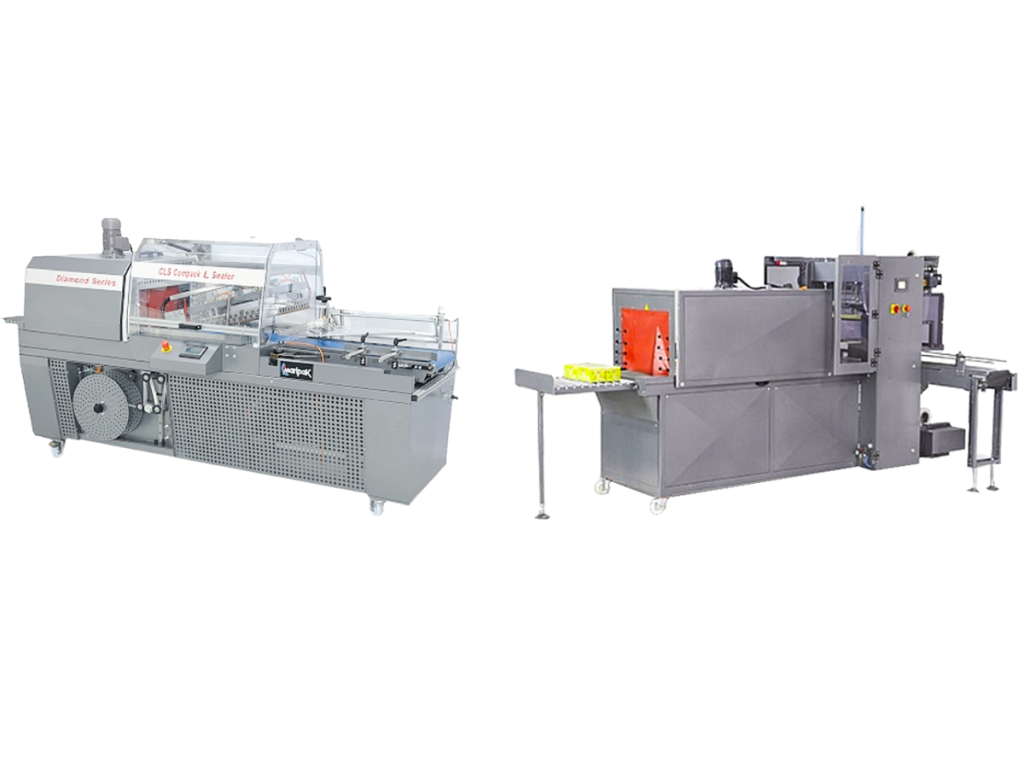
Packaging is a critical part of the manufacturing and distribution process, ensuring products remain protected while improving storage, transportation, and presentation. As industries strive for greater efficiency and automation, advanced packaging equipment has become essential for maintaining high production standards. An industrial shrink wrap machine is one of the most effective solutions for businesses that require reliable, high-volume packaging with consistent results.
Manufacturers across industries such as food and beverages, pharmaceuticals, consumer goods, electronics, logistics, and industrial equipment rely on shrink wrapping systems to improve packaging speed while reducing labor requirements and material waste. By automating the wrapping process, an industrial shrink wrap machine enables businesses to achieve greater operational efficiency while maintaining uniform packaging quality. Automated shrink wrapping systems are widely used because they provide durable, tamper-evident packaging suitable for both storage and transportation.
What Is an Industrial Shrink Wrap Machine?
An industrial shrink wrap machine is automated packaging equipment that encloses products in heat-sensitive shrink film before applying controlled heat to create a secure, tightly wrapped package. The process produces durable packaging that protects products from dust, moisture, handling damage, and tampering throughout the supply chain.
Industrial shrink wrapping equipment is commonly used to package:
- Bottled beverages
- Food products
- Household goods
- Consumer electronics
- Pharmaceutical products
- Printed materials
- Industrial components
- Multipack retail products
These systems are designed for continuous operation, making them ideal for manufacturing environments with demanding production schedules.
How an Industrial Shrink Wrap Machine Works
The packaging process consists of several automated stages that ensure consistent results.
Product Feeding
Products enter the packaging line through conveyors that align them correctly before wrapping begins.
Film Wrapping
The industrial shrink wrap machine dispenses shrink film around the product while maintaining accurate film tension to reduce waste and ensure proper coverage.
Film Sealing
The film is cut and sealed using heated sealing bars or continuous sealing systems, creating a complete enclosure around the product.
Heat Shrinking
The sealed package moves through a shrink tunnel where precisely controlled heat causes the film to contract tightly around the product, producing a secure and professional finish.
Benefits of Using an Industrial Shrink Wrap Machine
Higher Production Efficiency
Industrial shrink wrapping systems operate continuously, allowing manufacturers to package large production volumes with minimal manual intervention.
Superior Product Protection
Shrink film provides protection against dust, dirt, moisture, scratches, and minor impacts during shipping and storage.
Consistent Packaging Quality
Automation produces uniform package dimensions, clean seals, and consistent wrapping quality across every production batch.
Reduced Labor Costs
Automated packaging minimizes repetitive manual tasks while allowing employees to focus on other production activities.
Industries That Commonly Use Industrial Shrink Wrapping
An industrial shrink wrap machine serves a wide range of manufacturing and distribution sectors.
Common applications include:
- Food processing
- Beverage manufacturing
- Pharmaceuticals
- Cosmetics
- Consumer goods
- Electronics
- Logistics and warehousing
- Industrial manufacturing
Its versatility allows businesses to package products of varying sizes while maintaining consistent packaging standards.
Important Features to Consider
Choosing the right shrink wrapping equipment requires evaluating several key factors.
Production Capacity
The machine should match both current production requirements and anticipated future growth.
Automation Level
Fully automated systems provide higher throughput, while semi-automatic machines offer flexibility for moderate production volumes.
Film Compatibility
Industrial machines often support polyethylene (PE), polyolefin (POF), and other shrink film materials depending on packaging needs.
Temperature and Conveyor Controls
Accurate temperature regulation and adjustable conveyor speeds help achieve optimal shrink quality while reducing material waste.
Safety Features
Modern industrial equipment includes emergency stop systems, protective guarding, automatic diagnostics, and temperature monitoring to improve workplace safety.
Best Practices for Long-Term Performance
Routine maintenance is essential for reliable packaging operations.
Recommended practices include:
- Inspect sealing components regularly.
- Clean conveyors and heat tunnels.
- Monitor operating temperatures.
- Replace worn parts promptly.
- Use high-quality shrink films.
- Train operators thoroughly.
- Follow preventive maintenance schedules.
Consistent maintenance helps minimize downtime while maintaining packaging quality and equipment reliability.
Emerging Trends in Industrial Shrink Packaging
Packaging technology continues to advance with increased automation and digital integration.
Current innovations include:
- PLC-based machine controls
- Touchscreen operator interfaces
- Smart production monitoring
- Energy-efficient heating systems
- Automatic product detection
- Predictive maintenance capabilities
- Integration with Industry 4.0 manufacturing systems
Conclusion
As production demands continue to grow, investing in an industrial shrink wrap machine helps manufacturers improve packaging consistency, increase productivity, reduce labor costs, and protect products throughout the supply chain. These systems offer reliable, high-speed packaging solutions for a wide range of industries while supporting efficient manufacturing operations. By selecting equipment suited to production requirements and implementing regular maintenance practices, businesses can achieve long-term packaging reliability and operational efficiency. Companies researching advanced packaging technologies can also explore Maripak USA to gain a broader understanding of modern industrial shrink wrapping solutions. These technologies improve production efficiency, reduce energy consumption, and support more consistent packaging performance across large-scale manufacturing facilities.