
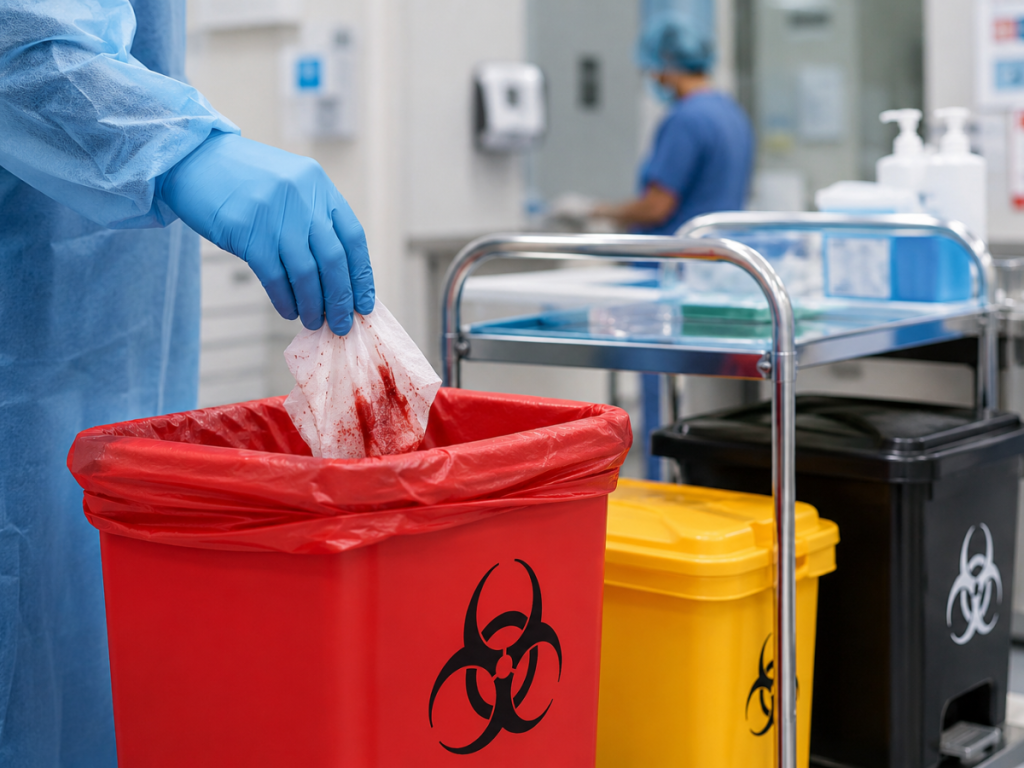
Healthcare facilities generate a significant amount of waste every day, ranging from general non-hazardous materials to potentially infectious and hazardous medical waste. Proper medical waste management is essential for protecting healthcare workers, patients, waste handlers, and the environment. As healthcare services continue to expand, the need for effective waste handling, segregation, transportation, treatment, and disposal has become more important than ever.
According to the World Health Organization, approximately 15% of healthcare waste is considered hazardous and may be infectious, chemical, or radioactive in nature. Improper handling of such waste can result in injuries, infections, environmental contamination, and public health risks.
Understanding the principles of medical waste management can help healthcare organizations improve safety, maintain compliance, and reduce environmental impact.
What Is Medical Waste?
Medical waste refers to waste generated during healthcare activities, including hospitals, clinics, laboratories, dental offices, nursing homes, and other healthcare facilities.
Examples of medical waste include:
- Used syringes
- Needles
- Blood-soaked materials
- Laboratory samples
- Surgical waste
- Contaminated gloves
- Pharmaceuticals
- Pathological waste
- Medical devices
Healthcare waste encompasses a broad range of materials, some of which require specialized handling due to their potential health risks.
Because of these risks, effective medical waste management requires strict procedures and ongoing staff training.
Why Medical Waste Management Is Important
Protecting Public Health
Improper disposal of medical waste can expose healthcare workers, sanitation personnel, and the public to infectious diseases and hazardous materials.
The World Health Organization notes that unsafe waste practices can contribute to infections and other adverse health outcomes. Proper waste handling significantly reduces these risks.
Preventing Environmental Contamination
Medical waste can negatively impact air, water, and soil quality if not managed correctly.
Hazardous waste materials require appropriate treatment and disposal methods to prevent pollution and long-term environmental damage.
Supporting Regulatory Compliance
Healthcare facilities are typically required to follow specific regulations governing waste segregation, storage, transportation, and disposal.
A well-structured medical waste management program helps organizations maintain compliance and avoid potential legal or financial consequences.
Key Components of Medical Waste Management
Waste Segregation
Segregation is one of the most important steps in the waste management process.
Separating waste at the point of generation helps ensure that hazardous materials are handled appropriately while minimizing the volume of waste requiring specialized treatment.
Studies consistently identify proper segregation as a critical factor in improving healthcare waste management systems.
Common categories include:
- Infectious waste
- Sharps waste
- Pharmaceutical waste
- Pathological waste
- Chemical waste
- General non-hazardous waste
Safe Collection and Storage
Once waste is segregated, it must be collected and stored in designated containers designed for the specific waste category.
Proper storage practices help prevent accidental exposure, leakage, and contamination while awaiting transportation or treatment.
Transportation Procedures
Medical waste should be transported using secure methods that minimize handling risks.
Clearly labeled containers and designated transport protocols help ensure safe movement from healthcare facilities to treatment or disposal locations.
Treatment and Disposal
Various treatment methods are used depending on the waste type.
Common approaches include:
- Autoclaving
- Steam treatment
- Chemical treatment
- Microwaving
- Specialized incineration systems
Healthcare waste experts increasingly encourage environmentally responsible treatment methods when appropriate.
Common Challenges in Medical Waste Management
Inadequate Training
One of the most frequently reported challenges is insufficient staff training.
Healthcare workers must understand proper waste segregation, handling procedures, and safety protocols to ensure effective implementation of waste management programs.
Improper Waste Segregation
When hazardous waste is mixed with general waste, disposal costs can increase while safety risks become more difficult to manage.
Research highlights that ineffective sorting practices often contribute to inefficiencies and increased treatment requirements.
Growing Waste Volumes
As healthcare services expand, facilities continue to generate larger quantities of medical waste.
This growth requires scalable solutions that support safe handling while maintaining regulatory compliance and environmental responsibility.
Best Practices for Healthcare Facilities
Develop Clear Policies
Written waste management procedures help ensure consistency across departments and facilities.
Conduct Regular Training
Ongoing education helps staff stay informed about current regulations and safe handling practices.
Use Appropriate Containers
Properly labeled and color-coded containers improve segregation accuracy and reduce handling risks.
Perform Routine Audits
Regular inspections can identify potential gaps in compliance and improve overall waste management performance.
Emphasize Safety Culture
Creating a workplace culture that prioritizes safety encourages employees to follow established protocols and report potential concerns promptly.
The Role of Technology in Modern Waste Management
Technological advancements are increasingly helping healthcare facilities improve waste management efficiency.
Emerging solutions include:
- Digital tracking systems
- Waste monitoring software
- Automated reporting tools
- Smart inventory management
- Waste classification technologies
These innovations can improve accountability while helping organizations optimize waste handling processes.
Conclusion
Effective medical waste management is essential for protecting public health, supporting environmental sustainability, and maintaining safe healthcare operations. Proper waste segregation, secure storage, responsible transportation, and appropriate treatment methods all contribute to a comprehensive waste management strategy. As healthcare facilities continue to expand and generate larger volumes of waste, investing in education, compliance, and process improvements becomes increasingly important. One particularly important aspect of healthcare waste safety is sharps needle disposal, which helps prevent accidental injuries and minimizes the risk of infection for healthcare workers and waste handlers. By implementing best practices and maintaining a strong focus on safety, organizations can reduce risks while improving operational efficiency.
