
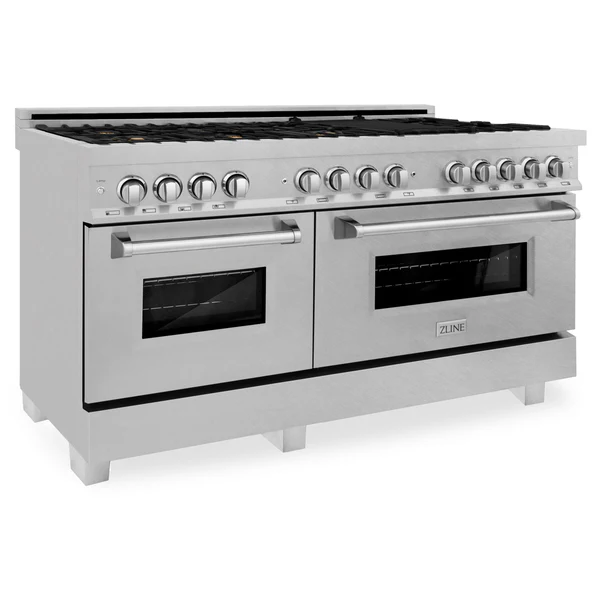
Modern residential kitchens increasingly incorporate advanced cooking technologies that prioritize precision, efficiency, and long-term durability. Rather than functioning as standalone appliances, today’s premium cooking systems integrate intelligent controls, optimized heat distribution, and ergonomic design to improve culinary performance. Investing in high end cooking appliances enables homeowners to achieve greater temperature accuracy, energy efficiency, and workflow optimization while supporting a wide variety of cooking techniques. Whether preparing everyday meals or complex recipes, understanding the engineering principles behind premium cooking equipment helps consumers make informed decisions when designing or upgrading a modern kitchen. Experts recommend evaluating cooking performance, ventilation compatibility, energy efficiency, and installation requirements when selecting premium cooking systems.
Engineering Characteristics of Premium Cooking Systems
Modern high end cooking appliances are engineered to deliver consistent performance under a wide range of cooking conditions.
Key design characteristics include:
- Precision temperature regulation
- Multi-zone cooking capability
- Rapid heat recovery
- Durable construction materials
- Advanced safety systems
- Intelligent electronic controls
These features improve cooking consistency while supporting greater flexibility across various preparation methods.
Precision Temperature Control
Temperature accuracy directly influences food quality.
Many advanced cooking systems incorporate:
- Digital thermostats
- Electronic temperature sensors
- Convection technology
- Adaptive heating algorithms
- Independent cooking zones
These technologies help minimize temperature fluctuations while producing more consistent cooking results across baking, roasting, grilling, and simmering applications.
Material Engineering
Material selection plays a significant role in appliance longevity and cooking efficiency.
Common construction materials include:
- Stainless steel
- Cast iron components
- Tempered glass
- Heavy-gauge metal panels
- Ceramic cooking surfaces
These materials improve structural durability while enhancing resistance to heat, corrosion, and everyday wear.
Many homeowners selecting luxury cooking appliances prioritize robust construction alongside precision cooking performance.
Heat Distribution Technologies
Uniform heat distribution is essential for predictable cooking results.
Modern systems commonly utilize:
- Multi-fan convection
- Infrared heating
- Induction technology
- High-output gas burners
- Even-heating oven cavities
These technologies reduce hot spots while improving energy transfer throughout the cooking process.
Energy Efficiency
Energy-efficient engineering helps reduce operating costs without sacrificing cooking performance.
Important efficiency features include:
- Insulated oven cavities
- Rapid preheating
- Intelligent power management
- Low-energy standby modes
- Efficient burner design
Many high end cooking appliances incorporate these technologies to optimize both cooking speed and energy consumption.
Kitchen Design Integration
Successful kitchen planning requires careful coordination between cooking appliances and surrounding cabinetry.
Before installation, homeowners should evaluate:
- Cabinet dimensions
- Ventilation requirements
- Electrical capacity
- Gas supply
- Countertop layout
- Traffic flow
Proper planning ensures appliances function efficiently while maintaining a cohesive kitchen design.
Professionally designed premium kitchen appliances often integrate seamlessly into contemporary and transitional kitchen layouts.
Safety Engineering
Modern cooking appliances incorporate multiple safety systems designed to protect users during daily operation.
These may include:
- Automatic shut-off functions
- Residual heat indicators
- Flame failure protection
- Child safety locks
- Overheat protection
- Cooling ventilation systems
These features improve operational safety while maintaining appliance reliability.
Maintenance and Long-Term Performance
Routine maintenance helps preserve both cooking performance and appliance lifespan.
Recommended maintenance practices include:
- Cleaning cooking surfaces regularly.
- Inspecting ventilation filters.
- Removing grease accumulation.
- Checking burner performance.
- Cleaning oven interiors.
- Following manufacturer maintenance schedules.
Consistent maintenance reduces unnecessary wear while supporting reliable long-term operation.
Emerging Innovations
Cooking technology continues to evolve through innovations such as:
- Smart connectivity
- AI-assisted cooking programs
- Touchscreen controls
- Steam-assisted cooking
- Precision induction systems
- Remote monitoring
These developments improve cooking accuracy while simplifying meal preparation for modern households.
Conclusion
Selecting cooking appliances requires careful evaluation of engineering quality, thermal performance, safety features, energy efficiency, and installation compatibility. Understanding these technical considerations enables homeowners to create kitchens that support reliable cooking performance while accommodating future technological advancements. For homeowners seeking professional-grade kitchen performance, professional cooking appliances provide advanced engineering solutions that combine precision, durability, and long-term reliability. Investing in high end cooking appliances provides long-term value through improved durability, greater cooking precision, enhanced energy efficiency, and better integration with modern kitchen environments.
