
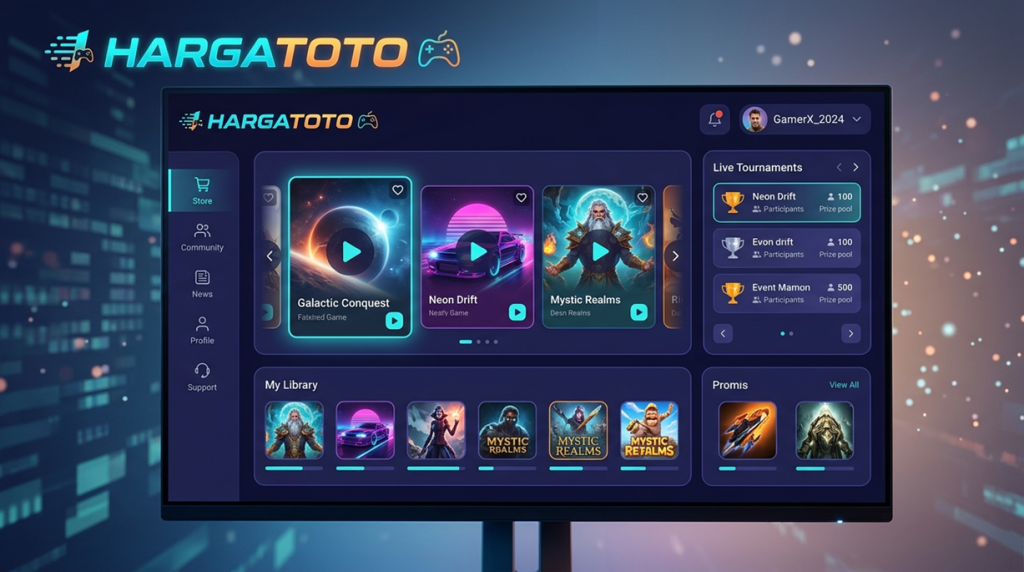
The digital entertainment ecosystem has undergone a massive transformation over the past decade. Where online interactive experiences once required cumbersome software installations, desktop-bound setups, and patience for lengthy loading screens, modern platforms are built on lightweight architectures designed for instant engagement. Today’s users expect smooth transitions from login screens to active gameplay, regardless of the hardware they use. Achieving this level of fluid accessibility requires complex backend engineering, intelligent frontend optimization, and intuitive interface design.
As user attention spans compress and cross-device usage becomes the norm, platform architects face a continuous challenge: how to eliminate operational friction while maintaining robust access control and system integrity. Understanding the underlying technology behind these streamlined experiences reveals how subtle design choices and underlying cloud infrastructure shape modern online entertainment.
The Shift Toward Frictionless User Authentication
The initial interaction a user has with any online platform occurs at the authentication stage. Historically, user access protocols were rigid, requiring multi-step verification flows, page redirects, and heavy asset loads before a session could even begin. While security remains non-negotiable, contemporary platform design prioritizes friction-free entry points that validate credentials in the background without interrupting the user journey.
Modern interactive systems utilize lightweight authentication frameworks, such as OAuth 2.0 and JSON Web Tokens (JWT), which allow session validation to occur asynchronously. Instead of forcing a full page reload upon credential submission, these protocols pass encrypted session tokens back and forth via stateless API calls. This enables immediate access to personalized dashboards, game catalogs, and account settings. By streamlining the gateway experience, platforms reduce bounce rates and set a positive tone for the rest of the user session.
Furthermore, single sign-on (SSO) integration and persistent session state management have minimized the need for repetitive logins across trusted devices. When combined with responsive interface design, authentication becomes an nearly invisible gateway rather than an obstacle, allowing players to jump straight into their preferred content.
Lightweight Interface Design and Cross-Device Adaptability
Once authenticated, a user’s interaction with a digital gaming or entertainment platform is dictated entirely by interface architecture. Designing a dynamic platform that renders quickly across high-end desktop displays, midrange laptops, and budget smartphones demands a disciplined approach to frontend design.
To maintain fast load times and responsive navigation, development teams increasingly rely on progressive web application (PWA) methodologies and headless architecture models. By decoupling the presentation layer from the core database logic, platforms can deliver optimized layout components tailored specifically to the user’s rendering engine.
Key strategies for lightweight platform performance include:
- Modular Component Loading: Utilizing asynchronous JavaScript and lazy-loading techniques ensures that non-essential assets—such as high-resolution marketing banners or deep-level submenus—render only when triggered by user action.
- Asset Compression and Vector Graphics: Replacing heavy raster images with scalable vector graphics (SVG) and dynamic CSS styling keeps page weights low without sacrificing visual appeal.
- Touch-First Navigation Frameworks: Designing intuitive navigation flows with prioritized primary actions prevents interface clutter, ensuring that essential options like profile settings, active game selection, and support channels remain accessible within one or two taps.
This focus on structural simplicity ensures that hardware constraints do not dictate the quality of the user experience. Whether a player accesses a platform on a high-speed fiber connection or a variable mobile network, a well-optimized interface maintains structural consistency and immediate responsiveness.
Cloud Architecture and Dynamic Asset Delivery
Behind every responsive user interface lies a sophisticated cloud deployment strategy. Delivering real-time interactive media to millions of concurrent users requires distributed infrastructure capable of handling sudden spikes in traffic without latency degradation.
Modern entertainment networks leverage Content Delivery Networks (CDNs) and edge computing nodes to store critical platform assets as close to the end user as possible. Rather than requesting core code, dynamic assets, and interface frameworks from a centralized origin server, requests are routed to the nearest edge location. This geographically distributed approach dramatically cuts down Round-Trip Time (RTT), enabling near-instantaneous page renders and immediate media playback.
In addition to static distribution, back-end microservices play a vital role in keeping systems stable. Rather than running a platform as a single monolithic entity, operators separate core functions—such as user management, dynamic content feeds, transaction processing, and live data streaming—into isolated services. If traffic surges within a specific module, auto-scaling protocols allocate additional cloud compute resources exclusively to that component, insulating the broader platform from performance degradation or unexpected downtime.
Streamlining Navigation in Modern Gaming Environments
The ultimate goal of modern platform design is to establish an intuitive ecosystem where users spend minimal time managing menus and maximum time engaging with content. The layout of digital game lists, user profiles, and active sessions relies heavily on modern UX telemetry and behavioral analytics.
Clear visual hierarchy, standardized menu placement, and contextual navigation patterns allow both first-time visitors and returning veterans to orient themselves instantly. For instance, direct paths from entry screens to active media libraries prevent decision fatigue, ensuring that players find what they need without searching through multi-tiered menu hierarchies. When exploring platforms built around streamlined access, such as hargatoto, one observes how clear navigation structures and optimized account access points contribute directly to a more cohesive digital entertainment environment.
Furthermore, integrating real-time system monitoring within the application layer allows operators to identify visual or structural bottlenecks continuously. If telemetry data reveals that users encounter delays or unexpected navigation loops in a specific module, frontend engineers can iteratively adjust workflow layouts, micro-interactions, and visual cues based on real-world usage patterns.
The Future of Interactive Digital Content Platforms
As digital entertainment continues to evolve, the distinction between web application, desktop client, and mobile interface will continue to blur. Emerging web technologies, such as WebAssembly (Wasm) and WebGPU, are pushing the boundaries of what browser-based platforms can achieve, bringing near-native processing performance to standard web environments without requiring local installations.
At the same time, serverless cloud architectures and real-time data orchestration will further reduce the computational overhead required on consumer devices. As these underlying technologies mature, the priority for digital entertainment platforms will remain unchanged: providing immediate, secure, and reliable access to high-quality interactive experiences. Platforms that successfully pair robust backend infrastructure with lightweight, user-centric interface design will naturally define the standard for modern digital media consumption.
