
The Kingdom of Saudi Arabia has established itself as one of the world’s most dynamic focal points for international travel, economic investment, and cultural exploration. Driven by the ambitious socio-economic blueprints of Vision 2030, the nation has systematically converted its historic isolation into unprecedented global openness. Pristine Red Sea coastal resorts, futuristic megacities in the northern deserts, and ancient heritage sites like AlUla are now fully accessible to the international community.
Central to this historical transformation is the comprehensive re-engineering of the country’s immigration architecture. By shifting away from complex consular bureaucracies and embracing automated cloud infrastructure, entering the Arabian Peninsula has transitioned from a logistically stressful task into a rapid, user-friendly digital experience. For modern global travelers, understanding this new regulatory landscape is the first step toward a successful journey.
The Evolution of the Kingdom’s Entry Frameworks
Historically, securing permission to cross into the Kingdom required extensive paperwork, mandatory invitations from local sponsors, and lengthy processing times at physical embassies or consulates. These high barriers to entry restricted travel primarily to corporate executives, diplomatic missions, and seasonal religious pilgrims.
Today, the approach is entirely different. The government recognizes that a fluid, frictionless entry process is the foundational pillar of a thriving tourism and business economy. By introducing electronic travel authorizations, the nation has successfully democratized access. International explorers can now initiate, pay for, and receive their verified travel credentials entirely online, removing the administrative friction that traditionally complicated long-distance travel planning.
Understanding the Electronic Travel Architecture
The modern digital application framework caters to a diverse range of international travel motivations, blending leisure tourism, family reunions, business event attendance, and spiritual pilgrimages into simplified categories.
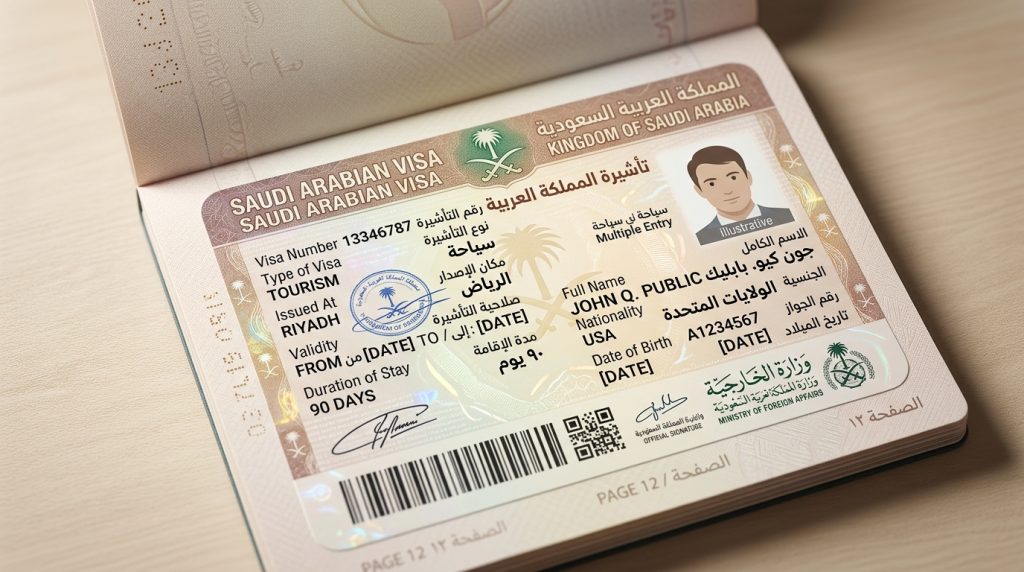
When planning an international trip to the region, identifying the correct document class is essential. For citizens of over 60 eligible nations, obtaining a standard SAUDI VISA can be accomplished via a secure internet portal in a matter of minutes. This primary digital document typically grants tourists multiple entries over a 12-month period, allowing for a total stay of up to 90 days. This broad authorization legally empowers travelers to explore historical landmarks, attend global sports and entertainment spectacles, and even perform the Umrah pilgrimage outside the formal Hajj season, making it an incredibly versatile asset for global citizens.
The underlying technology supporting this initiative relies on rapid database cross-referencing. By choosing to apply for a SAUDI ARABIA VISA ONLINE, applicants eliminate the need to mail out physical passports or schedule in-person consular interviews. The streamlined digital form simply requires basic biographical data, passport specifications, and the upload of a digital photograph. Once submitted, the automated system processes the background checks quickly, frequently issuing the finalized electronic PDF directly to the applicant’s email inbox within a few hours.
Essential Pre-Arrival Preparation for Digital Travelers
While the digital application path provides exceptional speed and convenience, border control authorities maintain strict compliance standards. To guarantee a completely seamless transition at international airport checkpoints, travelers should integrate several core operational steps into their planning:
1. Audit Document Expiration Metrics
Before launching an online application, carefully inspect your physical passport. Immigration regulations dictate that your passport must possess a minimum validity period of at least six months from the specific calendar date you intend to step foot inside the country.
2. Align with Regional Cultural Agility
Although the country has undergone massive social modernization and significantly relaxed traditional dress restrictions for foreign visitors, practicing public modesty remains a highly valued social norm. Travelers are encouraged to wear conservative clothing that covers the shoulders and knees when navigating public spaces, traditional markets (souks), and government facilities.
3. Adapt to a Cash-Light Infrastructure
The financial ecosystem across major urban centers like Riyadh, Jeddah, and Dammam is highly digitized. Major international credit networks, debit cards, and contactless mobile payment platforms are universally integrated into retail stores, transit networks, and hospitality venues. However, carrying a small reserve of physical currency (Saudi Riyal) is highly practical for tipping or purchasing small souvenirs from independent merchants in rural areas.
A Connected Global Horizon
The ongoing optimization of electronic entry platforms stands as a powerful testament to the Kingdom’s commitment to global integration. By replacing antiquated, paper-heavy border protocols with secure, instantaneous digital pathways, the country has opened its doors wide to international culture, commerce, and connection. Armed with the proper electronic documentation and a clear itinerary, modern travelers can step forward into a secure, enriching, and deeply memorable Arabian adventure.
