
Cambodia is a land of stunning contradictions, blending deep historical roots with a vibrant, forward-looking culture. From the mist-shrouded stone faces of Angkor Wat to the chaotic energy of Phnom Penh’s night markets, this Southeast Asian gem captures the imagination of global travelers. Whether you want to trek through dense tropical jungles, explore ancient architectural wonders, or unwind on pristine coastal islands, traveling to Cambodia promises an unforgettable adventure.
However, a truly smooth and successful international trip requires careful preparation. Moving beyond just packing lists and flight bookings, you must pay close attention to essential entry requirements, health precautions, and local cultural norms before departure.
Navigating Border Entry and Documentation
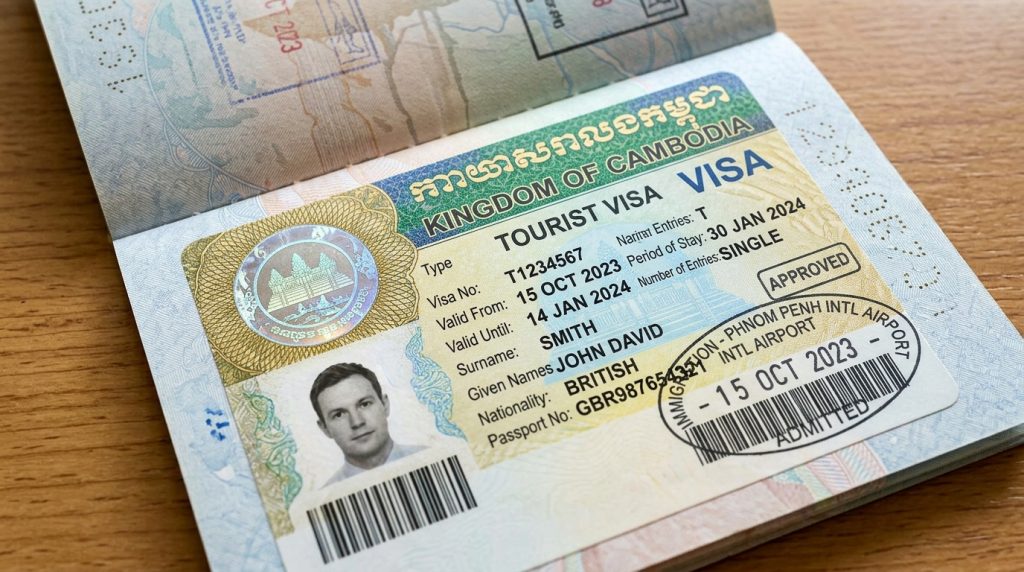
For travelers originating from North America, entering the Kingdom of Cambodia has become significantly more convenient in recent years due to digital government platforms. Instead of waiting in long, unpredictable lines for a traditional visa-on-arrival at major airports, international visitors can now secure their entry clearance ahead of time from the comfort of home.
Understanding the specific documentation requirements, processing timelines, and application fees for a CAMBODIA VISA FOR US CITIZENS is an essential first step. Utilizing the official electronic visa (e-Visa) portal grants a standard 30-day stay dedicated purely to tourism, helping you breeze through passport control upon landing in Siem Reap or Phnom Penh.
Regardless of where your journey begins, international border regulations dictate that your passport must remain valid for at least six months past your intended departure date. Additionally, immigration officers require at least one completely blank page for official entry and exit stamps.
Health, Safety, and Medical Readiness
Staying healthy on the road is the foundation of any great vacation. When traveling to tropical climates in Southeast Asia, your body will be exposed to different environments, regional bacteria, and insects. Proper health preparation ensures that a minor illness won’t disrupt your carefully planned travel itinerary.
Consulting with a travel clinic or your primary care physician at least four to six weeks before your flight is highly recommended. Gathering professional advice regarding a recommended CAMBODIA TRAVEL IMMUNISATION schedule will keep you fully protected against localized health risks like Hepatitis A, Typhoid, and Tetanus. Depending on whether you plan to rural backpack or stick to luxury urban resorts, a healthcare provider can also advise you on malaria prevention and prescription medication for food-borne ailments.
Beyond vaccinations, packing a compact first-aid kit is incredibly useful. Fill it with basic essentials such as high-strength insect repellent containing DEET, premium sunscreen, rehydration salts, and over-the-counter anti-diarrheal medication.
Top Cambodian Destinations for Your Itinerary
Once your administrative paperwork and medical preparations are settled, you can dive straight into planning your daily sightseeing schedule. Cambodia offers diverse experiences tailored to every travel style.
Siem Reap and the Archaeological Park
No trip to the country is complete without visiting the historic heart of the ancient Khmer Empire. Siem Reap serves as the lively base camp for exploring the world-famous Angkor Wat complex. While the main temple is renowned for its stunning sunrise views, neighboring sites like Bayon—with its massive, enigmatic stone faces—and Ta Prohm, where massive tree roots wrap around ancient structures, are equally spectacular.
Phnom Penh: The Dynamic Capital
Phnom Penh provides a fascinating look into Cambodia’s intricate history and modern renaissance. The Royal Palace and Silver Pagoda display brilliant examples of traditional Khmer craftsmanship. To understand the resilience of the local population, visiting historical landmarks like the Tuol Sleng Genocide Museum offers profound, necessary cultural context.
The Pristine Southern Islands
If you prefer a slower pace, head south toward the coast. While coastal towns offer great seafood, taking a short ferry ride to islands like Koh Rong or Koh Rong Sanloem reveals a paradise of white sand beaches and crystal-clear waters. It is the perfect place to swim, snorkel, or watch the sunset away from the crowds.
Essential Cultural Etiquette for Travelers
Showing respect for local customs will instantly enrich your travel experience and foster warm interactions with the local people.
- Dress Respectfully: When exploring sacred spaces, temples, or official government buildings, always keep your shoulders and knees covered. Lightweight linen clothing is an excellent option for staying cool in humid weather while remaining respectful.
- Currency Tips: The official currency is the Cambodian Riel (KHR), but US Dollars (USD) are widely used in cities. Keep your cash bills crisp and unblemished, as local shops regularly reject torn or heavily worn foreign currency.
- Mindful Interactions: The traditional Cambodian greeting involves pressing your palms together in a prayer-like gesture known as the Sampeah. Always ask for permission before taking close-up photos of locals, especially monks or young children.
