

Investing in silver could be your “golden chance” in 2026, and there’s a very concrete reason why. Starting January 1, 2026, China is rolling out a strict export-licensing regime for refined silver, covering a massive portion of the world’s supply.
This move effectively tightens global silver availability and shifts the metal into the realm of a strategic resource, not just a commodity. Investors and industrial users alike are keeping a close eye on how this will influence prices and market dynamics.
The silver market is already feeling the pressure. In 2025, silver saw sharp price gains as demand outstripped supply, particularly from industrial sectors and investors looking for alternatives to gold. These trends highlight how limited availability, combined with strategic moves from major producers like China, can quickly transform market sentiment. It’s not just geopolitical tension driving interest—silver’s actual use in modern technology is equally compelling.
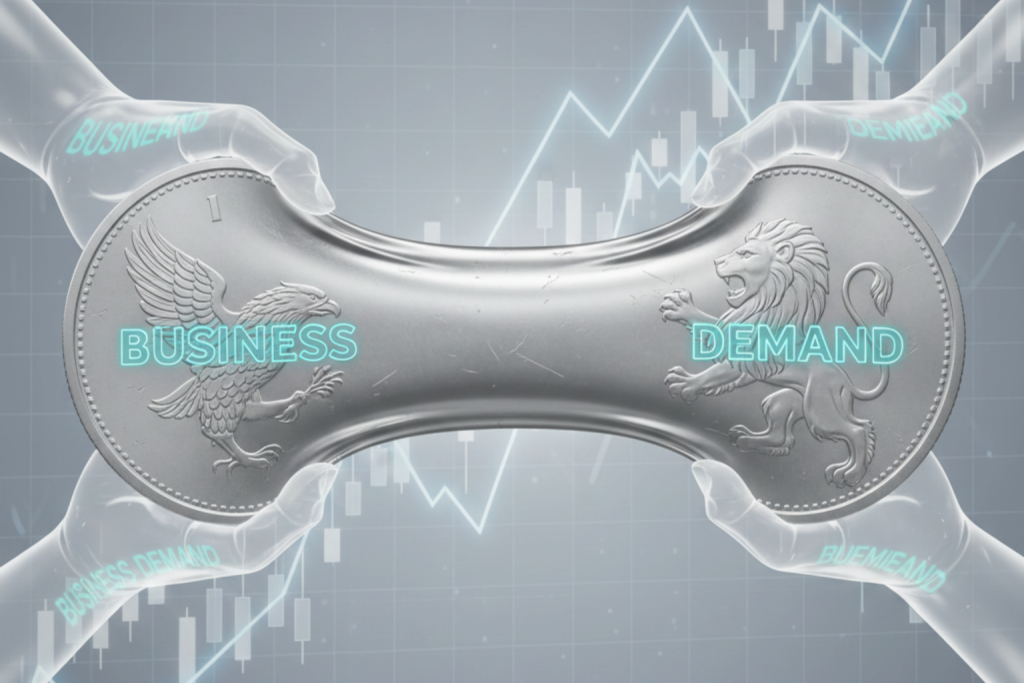
One of the biggest industrial drivers is the semiconductor sector. Microchip manufacturers rely on silver for its unmatched electrical conductivity. Silver is used in printed circuit boards, multi-layer ceramic capacitors, and other critical components. With the global demand for electronics, AI infrastructure, and consumer devices showing no signs of slowing, this industrial usage ensures a baseline level of silver demand that won’t disappear overnight.
Solar energy is another huge factor. Silver plays a vital role in photovoltaic cells, conducting and collecting electrical current efficiently. As the world invests heavily in renewable energy, particularly solar panels, the amount of silver consumed in this sector is expected to rise steadily. This isn’t a short-term trend it’s a structural shift that will influence demand for years to come.
Electric vehicles further add to the story. Each EV contains silver in components like connectors, switches, battery management systems, and charging infrastructure. With EV sales projected to continue climbing rapidly through the 2020s, the automotive sector alone represents a significant and growing source of industrial silver consumption, reinforcing long-term demand pressure.
Data centers and AI computing systems are quietly becoming major silver consumers as well. High-performance computing relies on silver for efficient electricity conduction and thermal management. As cloud services, AI systems, and enterprise data centers expand globally, these facilities will increasingly contribute to industrial demand, ensuring silver’s role in tech-heavy sectors remains strong.
On the supply side, silver is not as flexible as many other commodities. Most silver is produced as a by-product of mining other metals, like copper or gold. This means higher prices alone won’t instantly increase production. The market is structurally tight, and with China controlling a significant portion of supply via export rules, scarcity could persist even as demand rises.
Investor interest is another key factor. Silver has traditionally been a hedge against economic uncertainty, and as geopolitical tensions and market volatility persist, many investors are turning to silver as a safe haven. ETFs, physical silver purchases, and other investment vehicles are soaking up available supply, which adds another layer of upward pressure on prices.
Taken together, these factors create a scenario where silver is not just a commodity to watch but a strategic asset. Industrial demand, tight supply, export controls, and investment interest all converge, creating conditions where prices could see sustained support through 2026. While no market outcome is guaranteed, these dynamics make silver particularly intriguing for investors who understand its dual role as both an industrial material and a store of value.
For anyone considering entering the market, 2026 could indeed represent a “golden chance.” Not only are supply and demand fundamentals shifting in favor of higher prices, but the combination of technological growth, renewable energy expansion, and strategic policy changes creates a rare alignment. For mid-level investors, staying informed and watching these trends could make all the difference in turning opportunity into real-world gains.